Working Papers

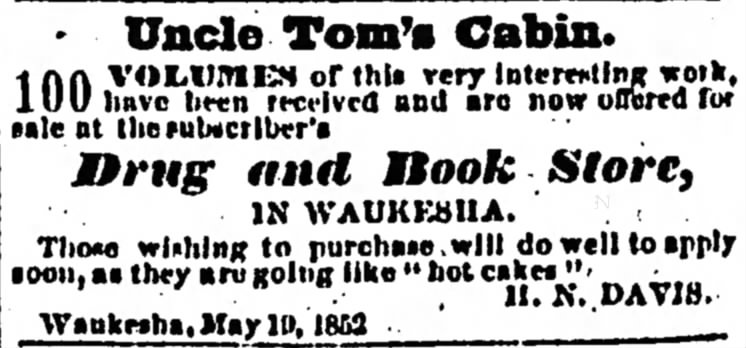
Figure for Printing Morality

Printing Morality: Uncle Tom's Cabin and the Antebellum Political Realignment

This paper shows how a widely circulated cultural work, Uncle Tom's Cabin, shaped presidential voting patterns and contributed to the political realignment of the 1850s. Using advertisement records extracted from digitized historical newspapers, I construct county-level exposure to the novel based on travel times along the 1850 transportation network. Difference-in-differences estimates show that counties with greater exposure experienced larger declines in Democratic vote shares and stronger movement toward the emerging Republican Party during the 1850s. Evidence from naming patterns, Union Army enlistment, newspaper discourse, and Republican campaign rhetoric suggests that the novel reshaped moral attitudes toward slavery, amplified antislavery discussion, and helped translate moral response into partisan mobilization.

Presented: GW Applied Micro Brownbag, Warwick SAGE Summer School 2023, ACES Summer School 2023, the EHA 2023 Annual Meeting (Poster), the 2025 World Economic History Congress, the ASREC 2026 Annual Meeting, the XMU Conference on Empirical Political Economy 2026, the XMU Workshop on History, Institutions, and Development 2026, and the AEA/ASSA 2027 Annual Meeting (Poster; accepted).
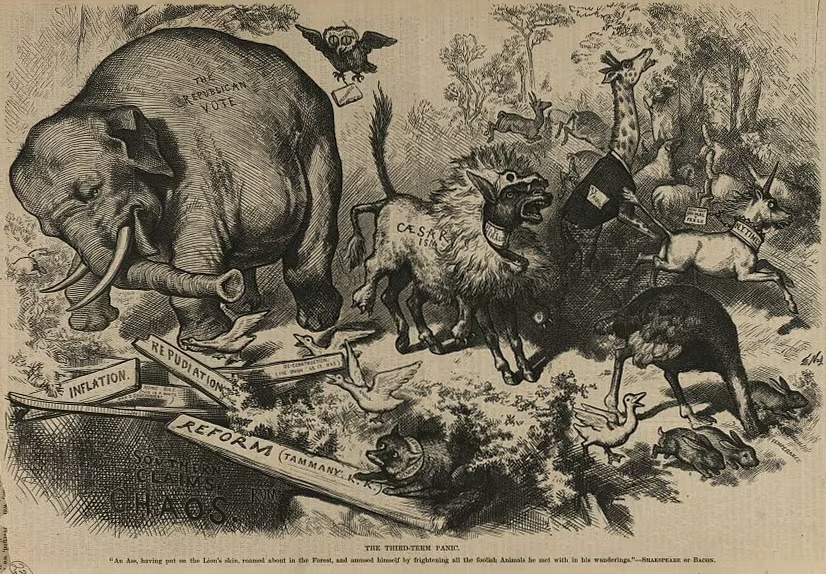
Thomas Nast, The Third-Term Panic (Harper's Weekly, 1874)

When Local Police Become Immigration Agents

Since 2025, the federal government has rapidly expanded agreements that deputize local police to enforce immigration law. Using county-level ICE arrest data and the staggered adoption of 287(g) Task Force Model agreements, I show that deputization substantially increases custodial immigration arrests without crowding out ICE's own at-large arrests. Despite this expansion, I find no detectable response in city and county council discussions. See US Political Tracker for data visualization.

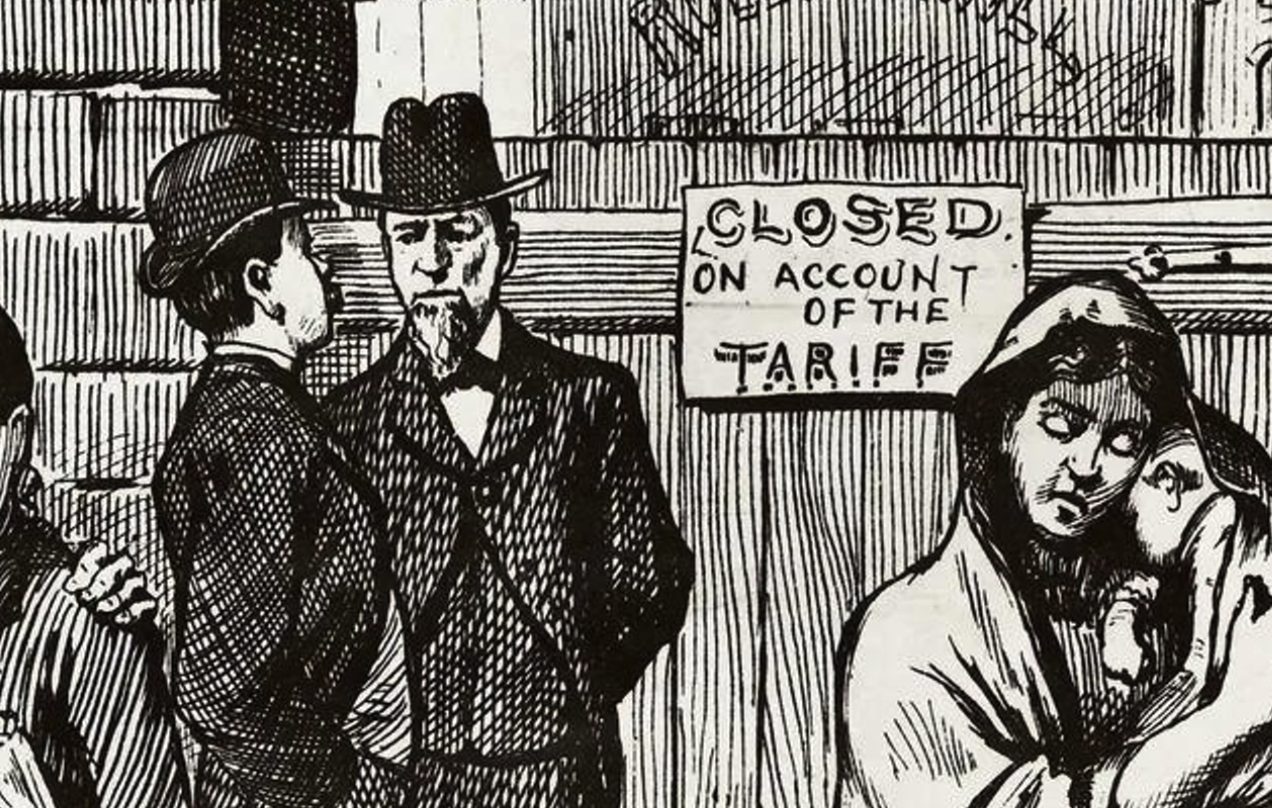
Figure for Tariff Interests and Political Realignment after the Panic of 1857

Tariff Interests and Political Realignment after the Panic of 1857

This paper examines how pre-existing local tariff interests shaped political realignment after the Panic of 1857. Counties with greater exposure to protectionist interests experienced larger shifts away from Democrats and toward the emerging Republican coalition.

Presented: Washington Area International Trade Symposium 2026 (Poster).

Work in Progress

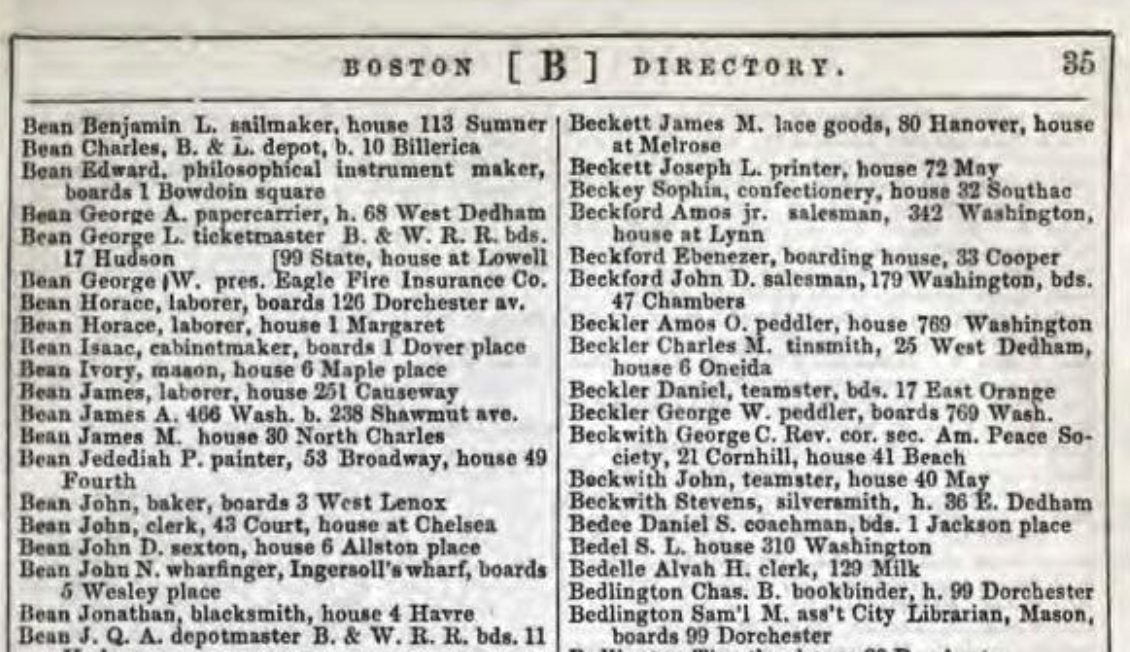
Historical Boston directory image

Annual Historical Data from Boston City Directories: Construction and Applications

This paper builds a new dataset from Boston city directories to study individuals, firms, occupations, and urban economic networks between 1830 and 1860. The annual records provide a high-frequency view of occupational change, business dynamics, and the nineteenth-century urban information economy.